Stacked Flats or Townhomes? A Family-First Guide to Middle Housing Design in Seattle
 Go to Feature
Seattle's Neighborhood Residential zoning now allows at least four homes on most lots, and up to six in some cases. Once a homeowner or small builder decides to build middle housing, the next question is shape. Do you build a row of townhomes, or stack flats on top of each other?
Both can be great places to raise a family. They just solve different problems. Here is how we help clients decide.
The quick difference
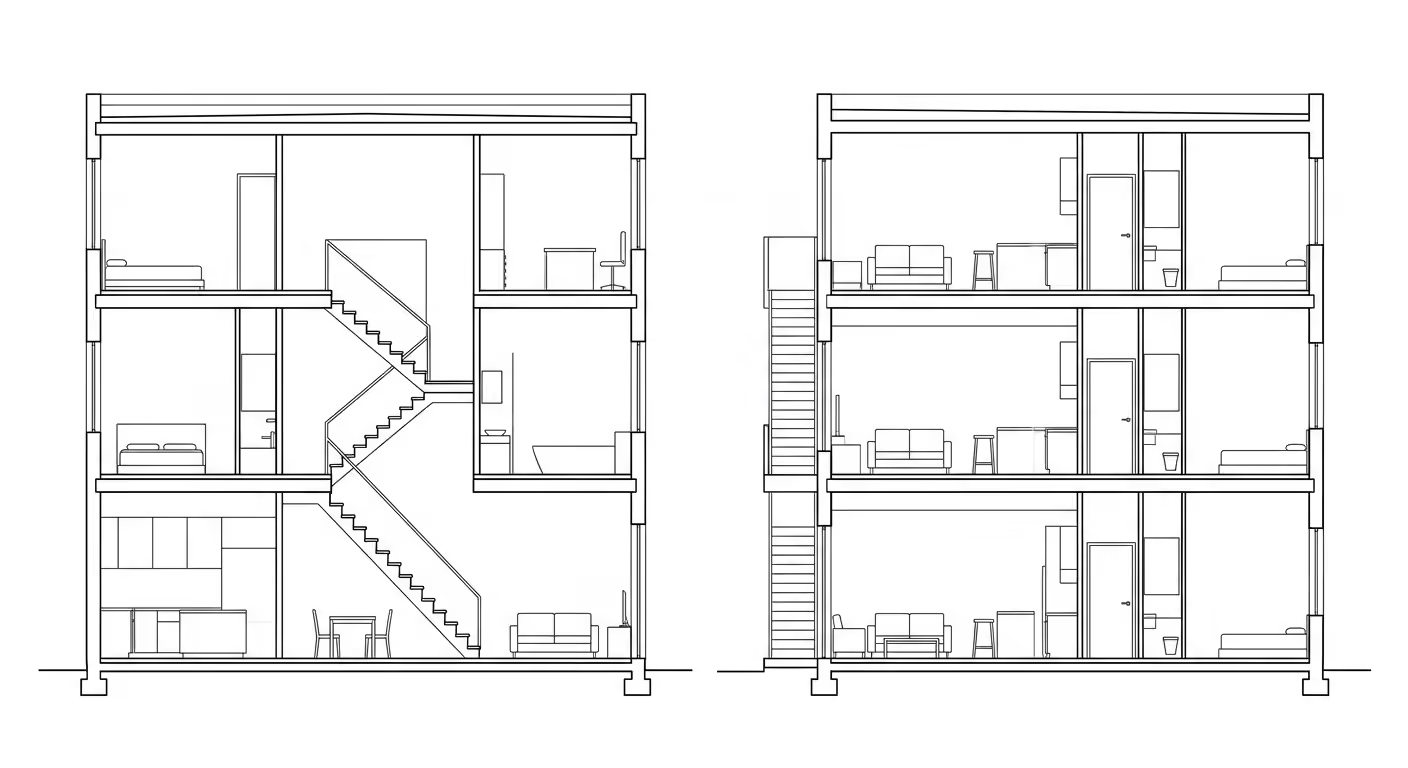
Townhomes are vertical homes side by side. Each unit typically has its own front door at grade and two or three floors connected by an interior stair.
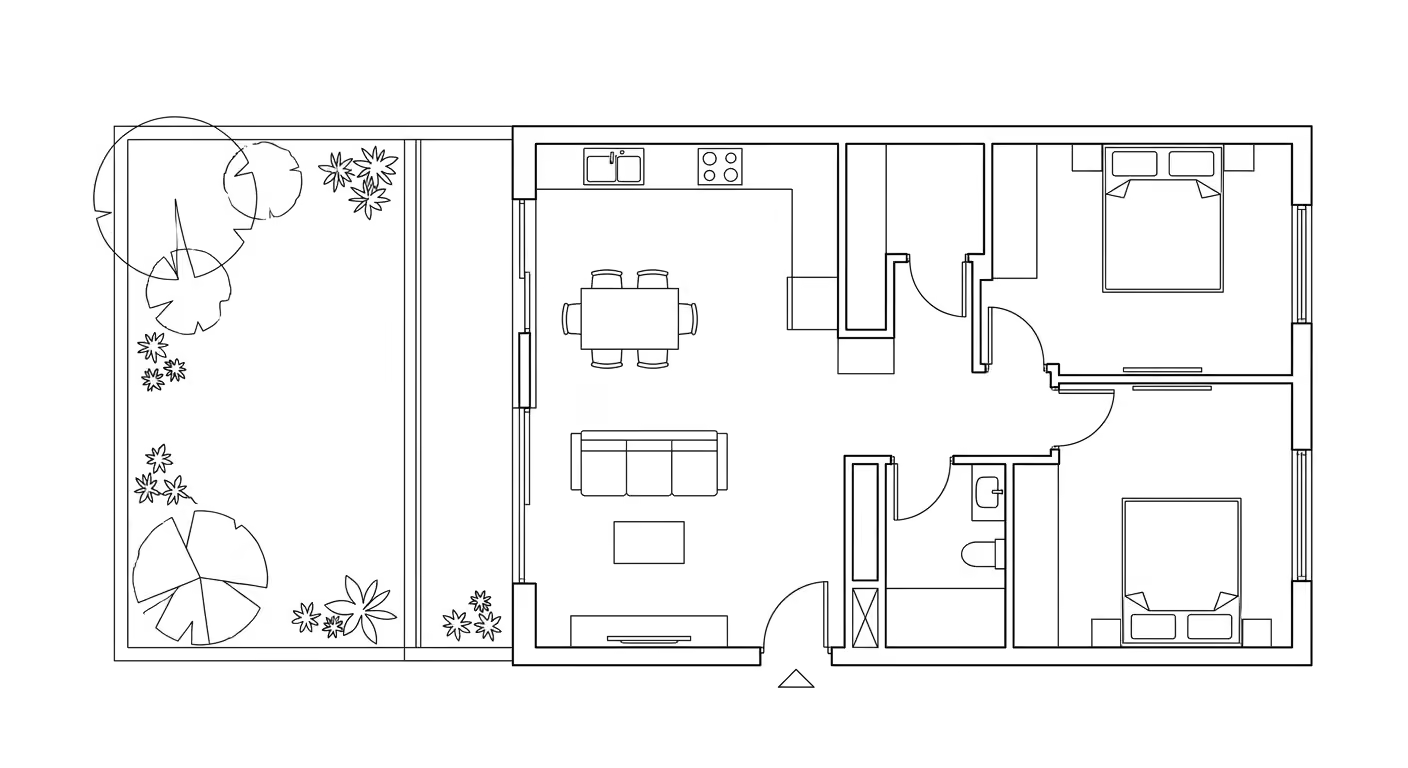
Stacked flats are single-level homes stacked on top of each other, like a small apartment building or a classic triplex. Each home lives on one floor.
What Seattle's zoning allows for each
Under Neighborhood Residential rules summarized by SDCI, the number of homes allowed on a lot is the greatest of three options: one unit per 1,250 square feet for attached or detached homes (or one per 600 square feet for stacked flats), four units, or six units near a major transit stop or when at least two units are affordable.
Stacked flats get a floor area bonus
Floor area ratio (FAR) rises with density, up to 1.6 for denser townhome-style projects. Stacked flats at that density can reach 1.8 FAR, or 2.0 if the project retains significant trees or meets a Green Factor score of 0.6. Stacked units in buildings under 10 units that meet Type A accessibility standards do not count toward FAR at all.
Same lot coverage and height
Lot coverage is 50% for both, and height is generally 32 feet plus pitched-roof allowances, rising to 42 feet with certain tree, setback, or Green Factor choices [Check]. Parking is one space per two units, with no requirement within a half-mile of a major transit stop or for units of 1,200 square feet or smaller.
Where the building code changes the math
Zoning favors stacked flats. The building code often favors townhomes.
Townhomes generally fall under the residential code. Stacked flats with three or more units generally fall under the commercial building code, which can bring fire sprinklers, fire alarms, more complex wall assemblies, and the commercial energy code when units share interior stairs or corridors. The Urbanist has reported that those requirements can push the cost per stacked flat above a comparable townhome.
Financing and liability matter too. If you plan to sell the homes as condos, ask early about how condo liability rules and lender requirements apply to a three-story building. This is not legal advice, so loop in a real estate attorney before you commit to a for-sale model.
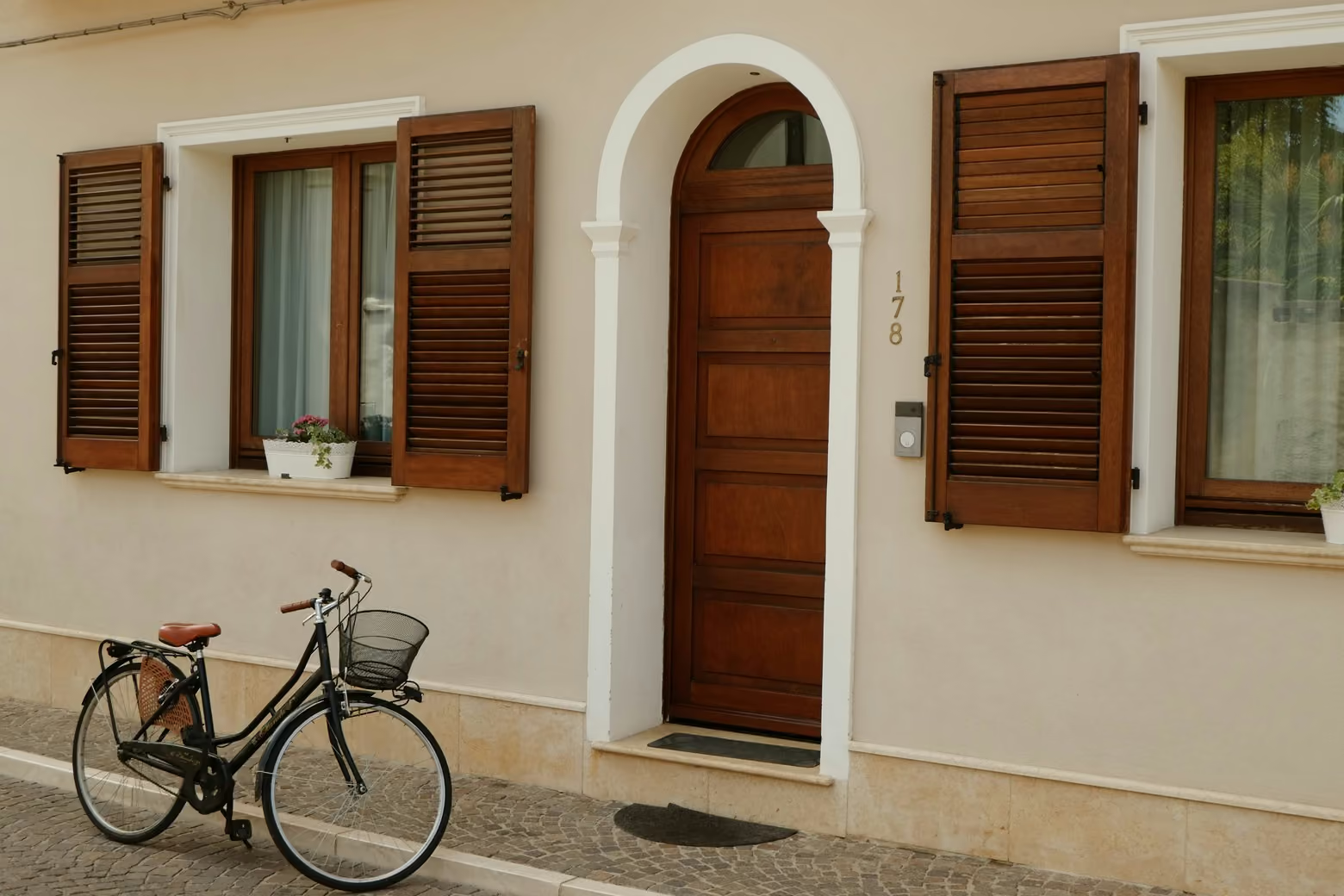
family with stroller entering ground-floor flat
How each works for families
Townhomes: room to grow, lots of stairs
- Private front doors and often a small yard or patio for each family.
- Shared walls on the sides only, so no neighbors overhead.
- Clear separation of living and sleeping floors, which many parents love.
- Stairs everywhere. Carrying a toddler, groceries, and laundry up three floors gets old, and aging in place is harder.
Stacked flats: one level, easier for every age
- Single-level living works for strollers, wheelchairs, and grandparents.
- A ground-floor flat can be fully accessible, which pairs well with the Type A FAR exemption.
- Sound between floors needs careful detailing so footsteps do not become a neighbor issue.
- Outdoor space is shared or comes as balconies above the ground floor, so courtyard design matters.
Family-sized units
Seattle's policy direction is leaning toward family-sized homes. Councilmember Foster's proposed MHA accelerator, for example, would require at least 25% of units to have two or more bedrooms in non-vested projects to qualify for the larger fee reduction. Whichever form you choose, designing a few true two- and three-bedroom units makes a project more livable and, increasingly, more aligned with city goals.
A side-by-side decision guide
Allowed floor area
- Townhomes: up to about 1.6 FAR
- Stacked flats: up to 1.8 to 2.0 FAR
Code path
- Townhomes: usually residential code
- Stacked flats: usually commercial code for 3+ units
Construction cost per home
- Townhomes: often lower
- Stacked flats: often higher
Accessibility
- Townhomes: limited by stairs
- Stacked flats: strong, especially ground floor
Private outdoor space
- Townhomes: easier
- Stacked flats: needs courtyard or balcony design
Best for
- Townhomes: families wanting private entries and yards
- Stacked flats: multigenerational households, elders, accessibility needs
Our take
For most small lots today, townhomes remain the simpler, cheaper path. But we think stacked flats are the more equitable form for Seattle's future. They serve elders, people with disabilities, and multigenerational families in ways stairs never will. The zoning incentives are a good start. The next step is building code reform, like smarter rules for small three- and four-unit buildings, that lets stacked flats compete on cost.
In the meantime, there are hybrid options. A ground-floor accessible flat with a townhome above, or a stacked duplex beside two townhomes, can balance cost and accessibility on the same lot.
Let's find the right shape for your lot
Every lot, budget, and family is different. La Union Studio can test both options for your site, compare floor area, cost, and livability, and help you choose with confidence. Book a consultation to get started.
FAQ
Are stacked flats allowed in Seattle's Neighborhood Residential zones?
Yes. Neighborhood Residential zoning allows stacked flats, with density calculated at one unit per 600 square feet of lot area and a floor area bonus up to 1.8 or 2.0 FAR when density and tree or Green Factor conditions are met. Confirm details for your lot with SDCI.
Are stacked flats more expensive to build than townhomes?
Often, yes. Stacked flats with three or more units usually fall under the commercial building code, which can add fire sprinklers, alarms, and other requirements. Townhomes usually follow the residential code. Costs vary by site, so price both options early.
Which is better for a multigenerational family: townhomes or stacked flats?
Stacked flats are usually better for multigenerational living because each home is on one level, making it easier for elders and anyone with mobility needs. A ground-floor accessible flat can also qualify for Seattle's Type A floor area exemption.
Sources: SDCI: Neighborhood Residential development standards summary · The Urbanist: The deck is stacked against stacked flats in Seattle · HouseHack Seattle: How Seattle's new zoning makes more lots pencil out · Seattle City Council: Foster proposes MHA accelerator
Media Hub
Recent media
