Make Room for the Rain: 8 DIY Ideas for a Seattle Entry Drop Zone
 Go to Feature
Seattle's rainy season is here, and with it comes the daily pile at the front door: dripping jackets, muddy boots, a soggy dog leash, and a backpack that landed on the floor. Most Seattle homes, especially older bungalows, ADUs, and new townhomes, were not built with a mudroom. You do not need one.
A well-planned drop zone can fit into a few feet of wall. These eight ideas come from the way we design entries for small homes, and most are weekend projects.
Start with a quick plan
Before you buy anything, stand at your door for a minute and answer three questions:
- What comes in every day? Count coats, shoes, bags, umbrellas, and pet gear for everyone in the household.
- Where does it drip? Wet items need a hard floor and airflow, not carpet and a closed closet.
- Who uses it? Kids need low hooks. Elders need a place to sit and something to hold.
Then measure the wall and floor space you have, including the swing of the door. Many great drop zones fit in 3 to 4 feet of width.
8 DIY drop zone ideas
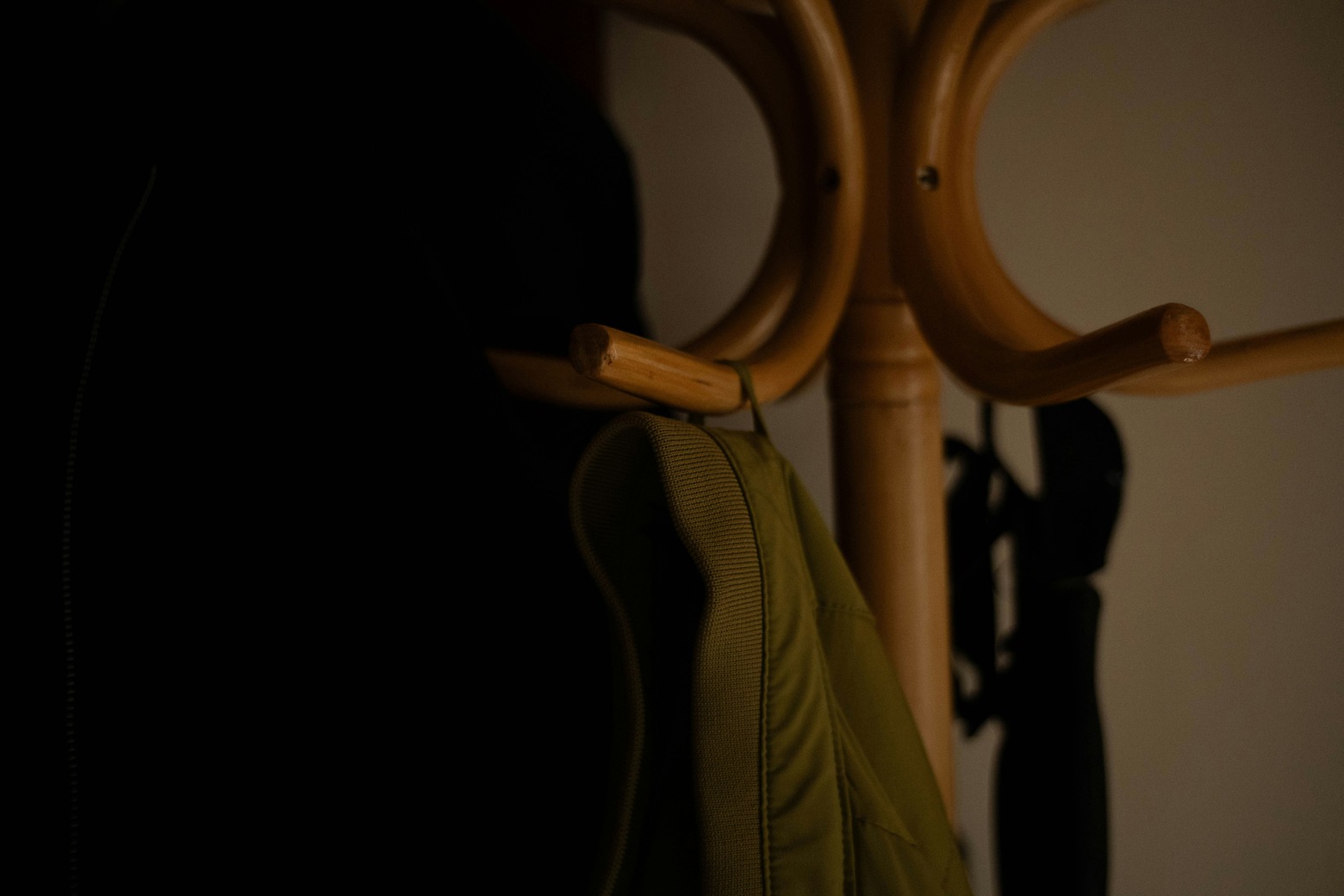
1. Go vertical with a hook rail
A single board mounted at about chest height with five or six sturdy hooks holds more than most closets. Add a second, lower rail for kids. Mount it into studs, not drywall anchors, because wet wool coats are heavy.
2. Add a bench you can actually sit on
A bench makes putting on boots easier for everyone, and it gives you storage underneath. A wall-mounted floating bench keeps the floor clear for mopping. For older family members, a bench height around 18 inches with a grab handle nearby is a kind, simple detail.
3. Create a dedicated wet zone
Boots and umbrellas need their own landing spot. A rimmed boot tray filled with river rocks lets water drain away from soles. An umbrella stand or a slim bucket keeps drips contained. If you have the space, place this zone on the hard-floor side of the entry.
4. Choose a floor that can take it
If your entry has wood or carpet, a durable, washable runner or a porcelain tile landing pad can protect it. Look for low-profile, non-slip backing so the edge does not become a trip hazard.
5. Let things breathe
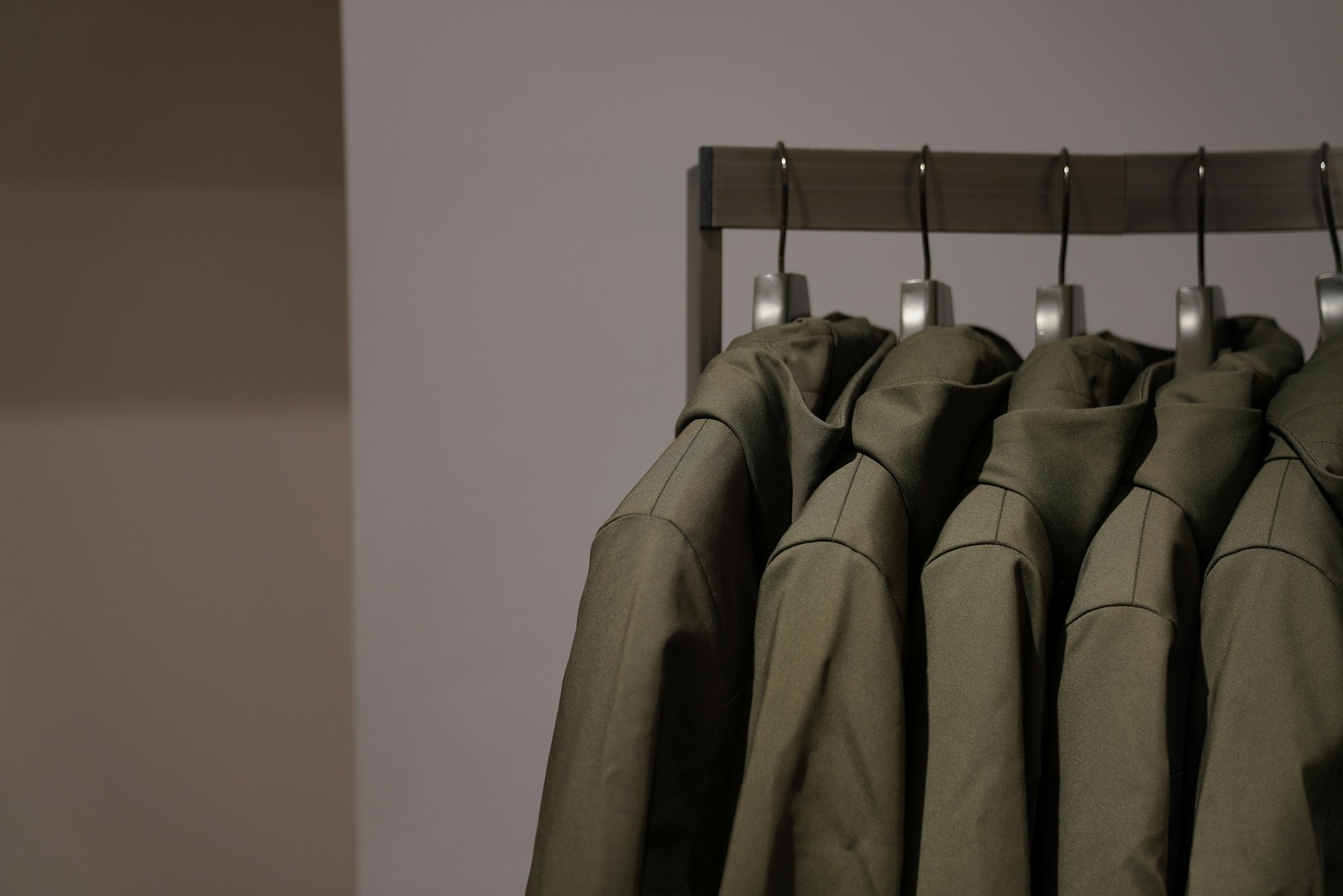
Closed cabinets trap moisture and smells. Open cubbies, slatted shelves, or perforated doors let jackets and shoes dry. If your entry is especially damp, a small, quiet fan or a dehumidifier in a nearby closet can help in the wettest months.
6. Give each person a cubby
One basket or bin per person ends the "whose glove is this" debate. Label them, or let kids pick colors. Keep a small tray for keys, transit cards, and mail at a height adults can reach without bending.
7. Use the back of the door and the dead corners
Over-door hooks, a narrow wall shelf above the hook rail, or a corner shelf for hats and gloves add storage without adding footprint. In ADUs and small flats, these few inches make a real difference.
8. Light it well
Entries are often the darkest spot in a Seattle home in winter. A plug-in wall sconce or a battery puck light inside a cubby makes the space safer and more welcoming. A warm color temperature, around 2700K, feels like home on a dark afternoon.
When a DIY project becomes a permit project
Most of these ideas do not require a permit. Seattle's Department of Construction and Inspections says work like installing cabinets, painting, and adding surface finishes over existing walls generally does not need one, and minor repairs or alterations of $6,000 or less in any six-month period are usually exempt.
That changes when you touch structure, the building envelope, or egress. If your plan involves moving a wall, adding a window, building a covered porch, or new electrical circuits, check with SDCI first. Work that affects load-bearing supports or reduces egress, light, ventilation, or fire resistance needs a permit "no matter how small the project." And even exempt work must still meet code.
Thinking bigger? Design the entry into the plan
If you are planning an addition, ADU, or middle housing project, the entry is one of the best places to invest design attention. A covered porch, a built-in bench with a drain-friendly floor, and a closet with ventilation can make a small home feel organized from the first step inside. We plan entries around how families actually live, including kids, elders, pets, and Seattle weather.
Let's design a home that works on the wettest day
La Union Studio designs interiors for small and shared homes across Seattle and South King County. If you want help planning an entry, a remodel, or a full home that handles the rainy season gracefully, book a consultation with our team.
FAQ
How do you make a drop zone in a small entryway?
Use vertical space first: a hook rail, a narrow shelf, and a wall-mounted bench. Add a boot tray for wet items and one bin per person. Many effective drop zones fit in 3 to 4 feet of wall.
Do I need a permit to build an entryway bench or install cabinets in Seattle?
Usually not. SDCI says installing cabinets and similar minor work generally does not require a permit, and minor alterations of $6,000 or less in a six-month period are usually exempt. Moving walls, adding windows, or new electrical work may require one, so check with SDCI.
How do I keep wet coats and boots from making my entry smell musty?
Give them airflow. Choose open hooks, cubbies, or slatted shelves instead of closed cabinets, use a rimmed boot tray, and consider a small fan or dehumidifier nearby during the wettest months.
Sources: Seattle SDCI: Do You Need a Permit?
Media Hub
Recent media
