Community Engagement That Actually Changes the Design: How We Run It
 Go to Feature
Most people have been to a community meeting where the design was already done. The architect shows renderings, people raise concerns, everyone nods, and nothing changes. It teaches neighbors that their time does not matter.
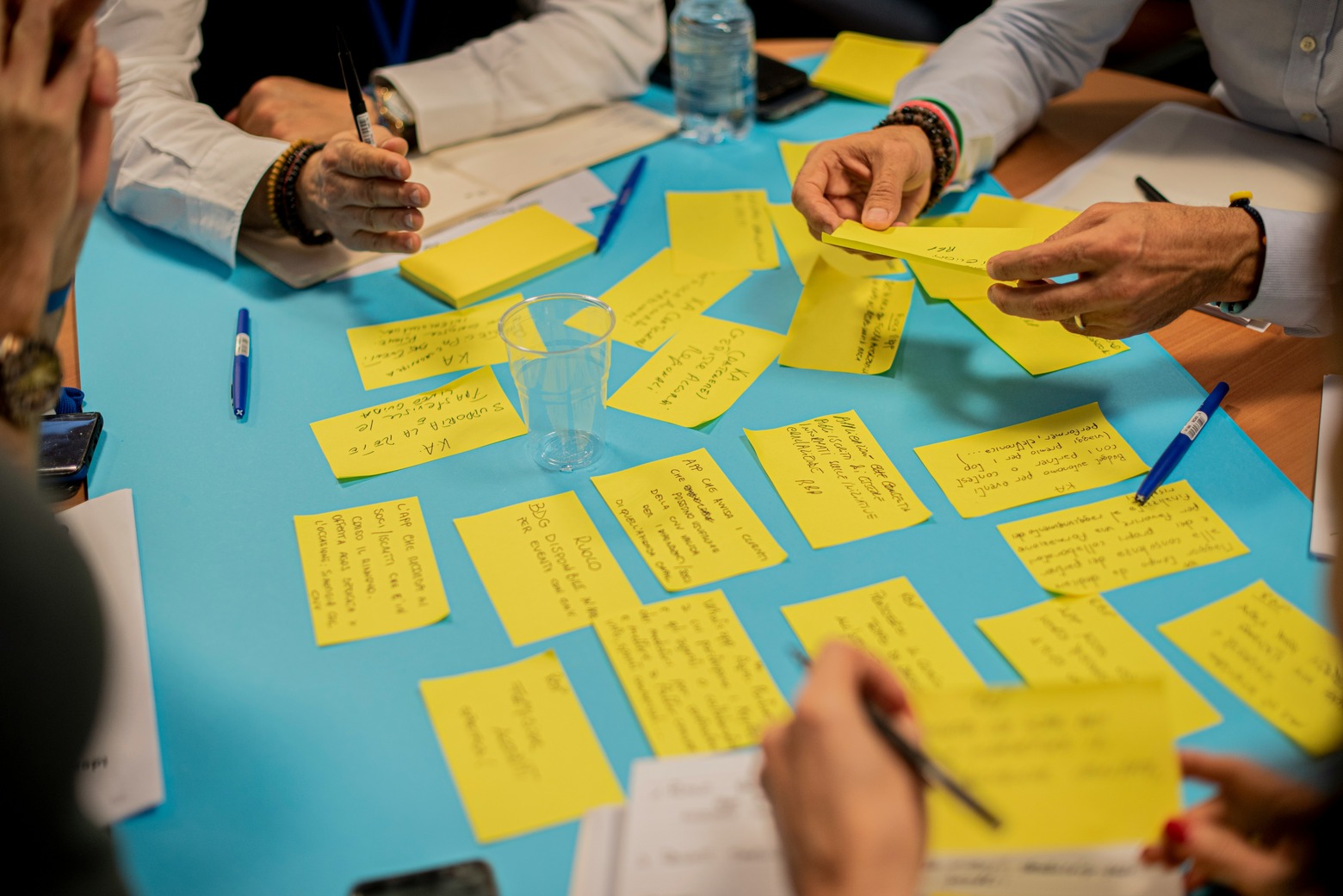
We started La Union Studio partly to do this differently. Community engagement is one of our core services, and we treat it as part of design, not public relations. Here is how we run it, step by step, and what Seattle now requires of many projects.
What Seattle requires
Many projects that go through Seattle's design review must complete early community outreach before their Early Design Guidance meeting. The current rules are in Director's Rule 02-2026, effective February 3, 2026, and the Office of Planning and Community Development (OPCD) now manages the program.
The rule asks applicants to use three types of outreach: printed, digital and in-person. For each type, an applicant chooses one "high-impact" method, such as door-to-door flyers, an online survey or a community meeting of at least an hour, or two smaller methods. Outreach must happen within a year before the Early Design Guidance submittal. High-impact in-person events need at least 14 days' notice, and digital outreach must stay open for at least 21 days.
Projects in designated Equity Areas must work with OPCD to tailor their plans for historically underrepresented communities. These are census tracts above the citywide average on at least two of three measures: households with limited English, people of color, and people with incomes below 200% of the poverty level.
We think this rule is a good floor. But a floor is not the goal. Here is what we add.
Our process, step by step
Step 1: Listen before we draw
We start engagement before there is a design to react to. Early conversations ask simple questions. What do you love about this block? What is missing? What worries you? The answers set priorities we carry into the first sketch.
Step 2: Map who is not in the room
Before planning any event, we ask who usually gets left out: renters, elders, youth, people who work evenings, people who speak languages other than English. Then we plan around them.
Step 3: Go where people already are
We set up at farmers markets, community centers, places of worship, schools and small businesses. A pop-up table on a Saturday often reaches more people than a weeknight meeting.

Step 4: Work in community languages
We translate materials and bring interpreters or bilingual facilitators. When possible, we partner with community organizations that already have trust in the neighborhood.
Step 5: Pay people for their expertise
When we ask community members or partner organizations to advise on a project, we budget to compensate them. Lived experience is expertise, and it should be treated that way.
Step 6: Show choices, not a finished design
We bring two or three real options and ask people to weigh tradeoffs. Should the entry face the street or the courtyard? Is a covered gathering space worth less parking? Real choices get real answers.
Step 7: Close the loop
After each round, we report back: here is what we heard, here is what changed, and here is what did not and why. This is the step most often skipped, and the one that builds the most trust.
What changes when engagement is real
In our experience, good engagement changes concrete things. Without naming any project, here are the kinds of changes we have seen come straight from community input:
- Moving a main entry so it faces the street people actually walk
- Adding a covered outdoor space for gatherings in the rain
- Choosing materials and colors that reflect the neighborhood's culture
- Adding a kitchen large enough for community meals
- Changing hours, lighting and sightlines so a space feels safe at night
None of these are expensive on their own. All of them make a building belong to its neighborhood.
Why this matters now
Seattle's planning is entering a long stretch of change, from new neighborhood centers to updated housing fees. Proposed city budget changes would also add an Affordable Housing Ombud at SDCI to help low-income housing applicants navigate permitting, with a focus on community-driven development. As more decisions get made about where and how the city grows, the communities most affected deserve a real voice in the details.
For nonprofits, faith communities and other community-serving organizations, strong engagement also pays off practically. Many public and philanthropic funders want to see real community support, and a well-documented engagement process can make a grant application stronger.
Call to action
Planning a community building, affordable housing project or a development that needs early outreach? Book a consultation with La Union Studio. We will help you design an engagement process that meets Seattle's requirements and actually shapes a better project.
FAQ
What is Seattle's early community outreach requirement?
Many projects going through design review must conduct printed, digital and in-person outreach before their Early Design Guidance meeting. The rules are in Director's Rule 02-2026, and OPCD confirms compliance before SDCI schedules the meeting.
What are Equity Areas in Seattle design review outreach?
They are census tracts above the citywide average on at least two of three measures: limited-English households, people of color, and incomes below 200% of the poverty level. Projects there must work with OPCD to tailor outreach.
How do you make community engagement meaningful?
Start before the design exists, go to where people already gather, work in community languages, compensate community experts, offer real choices, and report back on what changed and why.
Sources
Seattle OPCD and SDCI: Director's Rule 02-2026, Early Community Outreach for Design Review · Seattle OPCD: Early Community Outreach for Design Review · SDCI Building Connections: Mayor Wilson's 2027 to 2028 Proposed Budget for SDCI · The Urbanist: Seattle's Centers and Corridors Zoning Update Delayed Another Year
Media Hub
Recent media
