Opening a Storefront in Seattle? The Tenant Improvement Checklist Small Businesses Need
 Go to Feature
Opening a shop, cafe, salon or studio is one of the most hopeful things a person can do. It is also where we see small business owners lose the most money to surprises: a lease signed before anyone checked the permit history, an accessibility upgrade nobody budgeted, a restaurant hood that needs its own permit.
Seattle's economy is in a careful moment. Larger projects have slowed, and the city's permitting department says demand is now driven by small and mid-sized projects. That makes neighborhood businesses more important than ever. Here is the checklist we walk through with small business clients, in the order it matters.
Before you sign the lease
1. Pull the permit history
The Seattle Department of Construction and Inspections (SDCI) decides a space's existing use based on the last legally permitted business in its records. Unpermitted past uses do not count. Look up the address on SDCI's permit history map and check for open permits or complaints.
2. Find out if your business is a change of use
Turning a real estate office into a daycare, a take-out counter into a bar, or a warehouse into a gallery are all changes of use. SDCI is clear: "A change of use always requires a building permit." A change of use can also trigger code upgrades, so it belongs in your budget before you sign.
3. Confirm zoning allows your use
Not every use is allowed in every zone. If yours is not, you may need a land use permit, or a different space.
4. Check for historic district review
If your space is in one of Seattle's historic districts, exterior changes such as signs and storefronts need approval from the Department of Neighborhoods first.
5. Walk the space with a professional
Bring an architect or experienced contractor to look at restrooms, entry steps, electrical capacity, ventilation and the condition of the building. Ten minutes of looking can save months.
6. Negotiate the lease with build-out in mind
Ask who pays for required upgrades, how much free rent covers the build-out, and what happens if permits take longer than planned. We are not lawyers, so have an attorney review the lease.
Planning the build-out
7. Expect accessibility upgrades
SDCI reviews existing conditions under the Seattle Existing Building Code. Accessibility upgrades are often required, and life-safety, structural or energy upgrades may apply depending on scope. Major renovations or changes of use can trigger "substantial alterations" requirements, which add cost.
8. Know when you need stamped drawings
Projects valued above $75,000 need construction documents prepared and stamped by a Washington-licensed architect or engineer, and some projects need a stamp regardless of value.
9. List every permit you will need
Depending on your project, that can include:
- A building permit for the change of use or alterations
- Electrical permit from SDCI, plus Seattle City Light for service changes
- Plumbing permit from Public Health Seattle and King County
- Mechanical permit for HVAC or a commercial range hood
- Public Health approval for any new or remodeled food business
- A City of Seattle business license
10. Ask for free permit coaching
Small businesses and cultural organizations opening a new location may qualify for SDCI's free Commercial Space Permit Coaching and expedited permitting. Services include location research, early advice on the fastest path, completeness reviews and a single point of contact. Use it.
11. Understand the new parking rules
State law now limits parking requirements, and commercial spaces under 3,000 square feet cannot be required to provide parking once local codes are updated. Cities with 50,000 or more residents must comply by January 27, 2027. [ how Seattle's current code applies to your site.]
Design and opening
12. Design for your customers and your staff
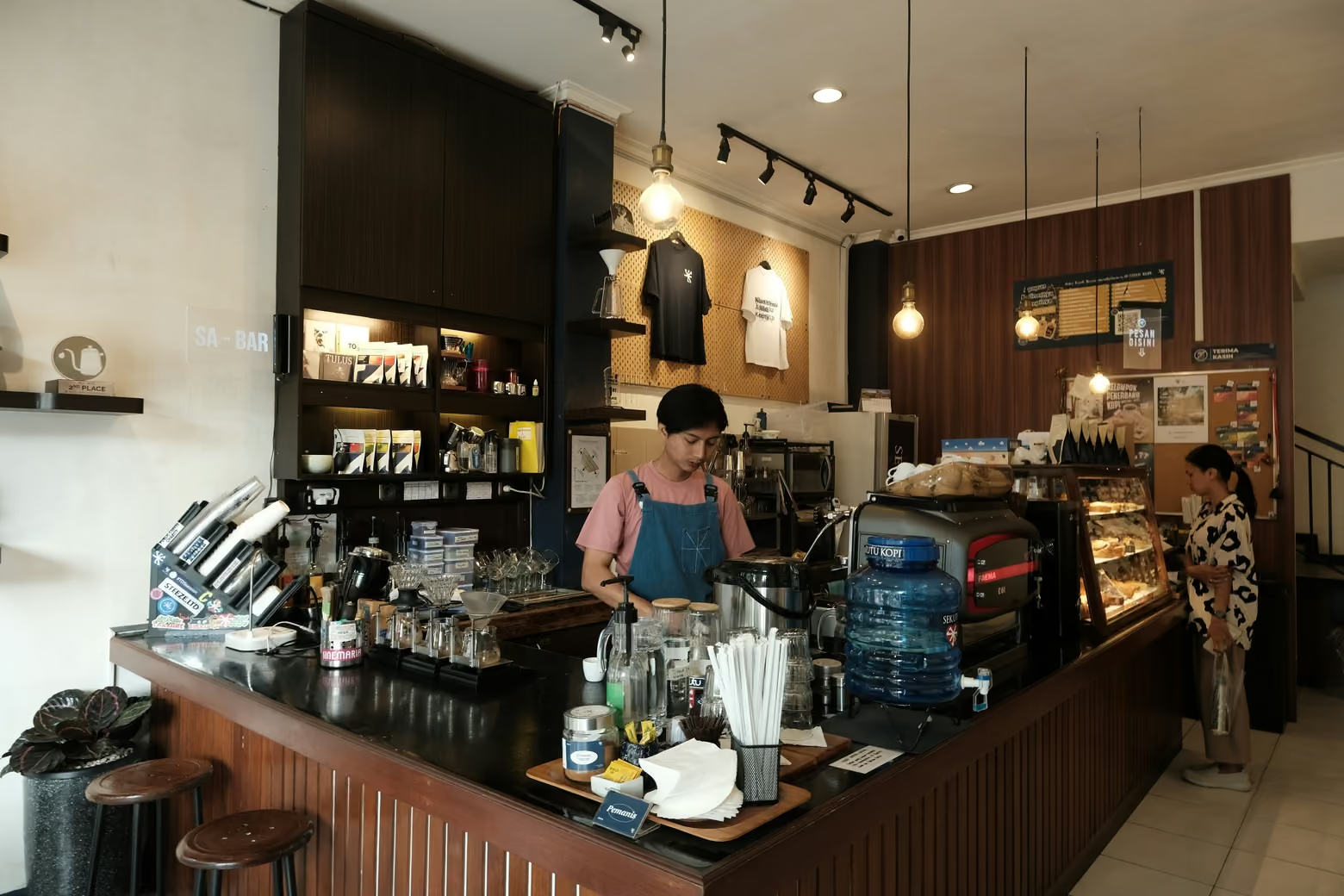
A great small space is designed around how people move: where they wait, how staff reach supplies, where light falls. Good design also tells your story. We love helping owners bring their culture and community into the space.
13. Plan your signs and equipment funding
Seattle's Office of Economic Development runs a Tenant Improvement Program for established businesses, with grants of up to $15,000 for signs and up to $50,000 for equipment in 2026. That round closed in April, so watch for the next one.
14. Build in time for inspections
Schedule inspections early and keep your contractor, landlord and designer in the loop. Opening day depends on the final sign-off.
Why small storefronts matter
Small businesses are what make a neighborhood feel like a neighborhood. They are also where many BIPOC and immigrant entrepreneurs build wealth. We want the process of opening one to feel less like a maze and more like a path, and we think good early planning is the best tool for that.
Call to action
Looking at a space or about to sign a lease? Book a pre-lease consultation with La Union Studio. We will walk the space with you, flag likely upgrades and permits, and help you plan a build-out that fits your budget and opening date.
FAQ
Do I need a permit for a tenant improvement in Seattle?
Most alterations need a building permit, and a change of use always does. Smaller projects that keep the same use may qualify for a simpler subject-to-field-inspection permit. Electrical, plumbing, mechanical and health permits may also apply.
What is a change of use in Seattle?
It is when a new business uses a space differently from the last legally permitted use, such as an office becoming a daycare. SDCI bases the existing use on its records, and a change of use always requires a building permit.
Do I need an architect for a small commercial remodel in Seattle?
Projects valued above $75,000 need drawings stamped by a Washington-licensed architect or engineer, and some need a stamp regardless of value. SDCI strongly recommends professional help even for smaller projects.
Sources
SDCI: New Businesses · Seattle Office of Economic Development: Tenant Improvement Program 2026 · SDCI Building Connections: Mayor Wilson's 2027 to 2028 Proposed Budget for SDCI · MRSC: 2025 Planning Legislation
Media Hub
Recent media
