The Biggest Barrier to Middle Housing in Seattle Isn't Zoning. It's Utilities.
 Go to Feature
Seattle did the hard political work. After years of debate, the city now allows multiple homes on lots that were once limited to a single house: four units on most residential lots and six near light rail and RapidRide stops. Zoning maps changed. Neighborhood meetings happened. Headlines declared the end of single-family zoning.
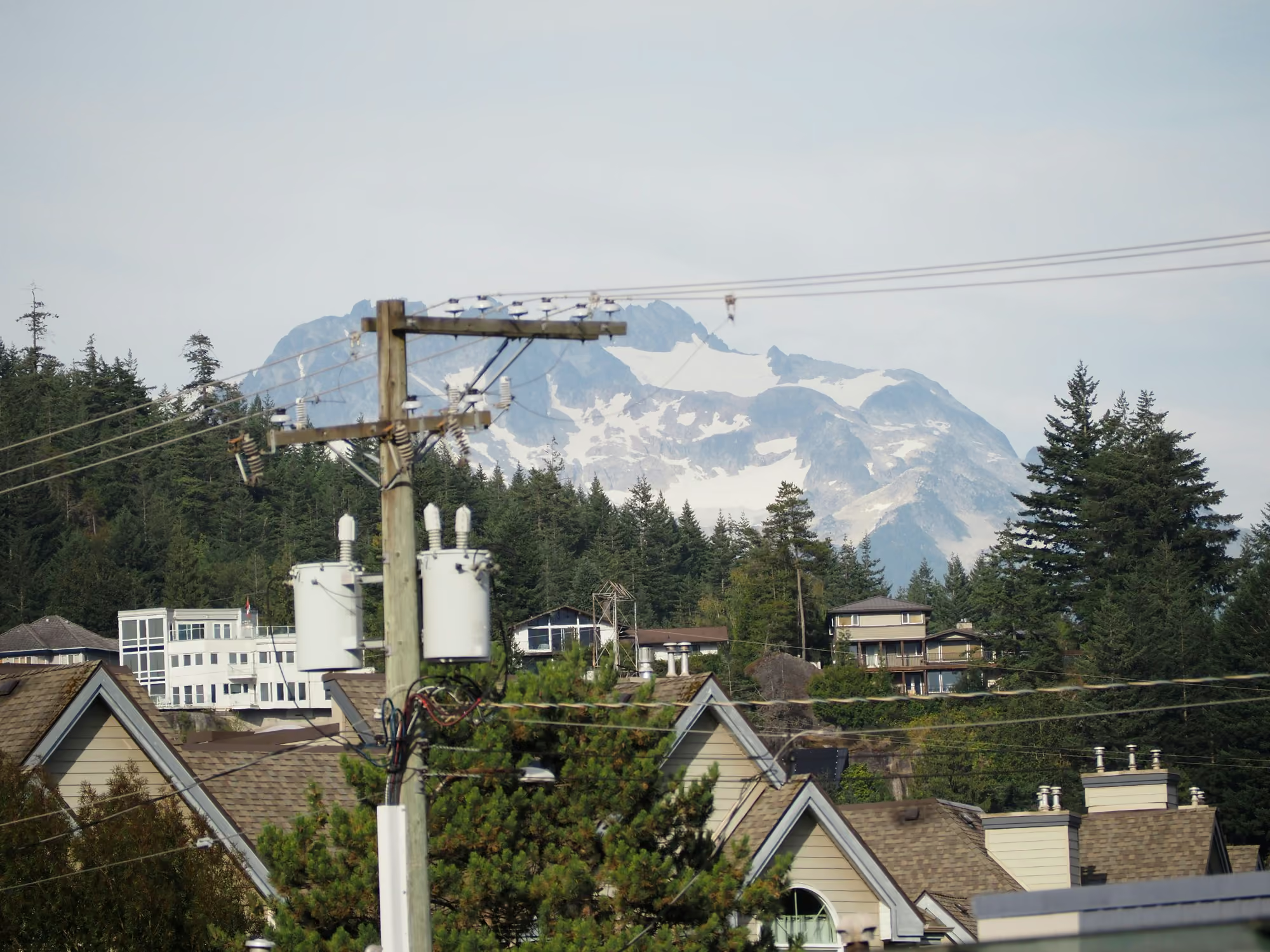
And yet homeowners and small builders keep telling us the same thing: the numbers still do not work. Rates are high and materials are expensive, yes. But the cost that surprises people most is not on any zoning map. It sits on the power pole out front, in the 70-year-old pipe under the street, and in the sidewalk that suddenly has to be rebuilt.
At La Union Studio, we believe Seattle's next housing win will not come from another rezone. It will come from fixing how we pay for the pipes and wires that every new home needs.
The numbers nobody puts on the flyer
In an August 2026 op-ed in The Urbanist, a local builder laid out what utility requirements can add to a small infill project. Seattle Public Utilities' water main rule required one three-unit project to replace nearly 500 feet of distribution main, at roughly $750,000. Seattle's water mains average 71 years old. Seattle City Light's undergrounding requirement for projects of four or more units can add more than $100,000, about $25,000 per home. Street improvement permits triggered by that utility work can add another $150,000 in holding and construction costs. Taken together, the author estimates that replacing one house with three or four homes can carry well over $250,000 per unit in utility-related costs.
Compare that with Mandatory Housing Affordability (MHA) fees, which the same author puts at about $30,000 per unit for small projects. MHA dominates the policy debate. Utilities dominate the budget.
Power is the slowest line item
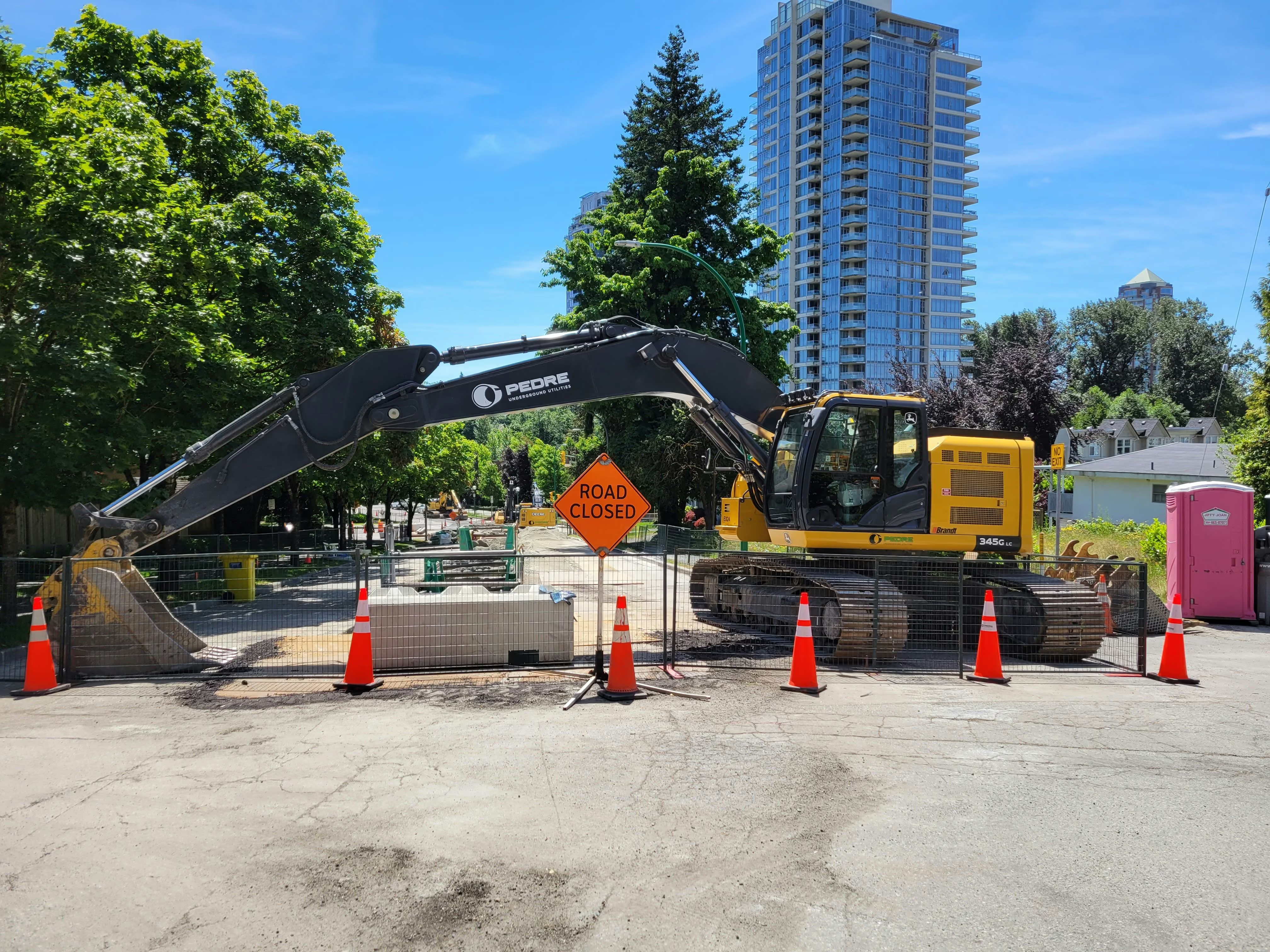
City Light now requires new developments of four or more units to be served by underground infrastructure. The utility's reasons are real: as homes electrify, neighborhood lines face voltage drop and capacity limits. But the cost lands on whoever builds first on the block. Hoodline, citing The Seattle Times, reported one developer waited more than two years and paid over $270,000 to connect four homes. On a 24-townhome project, undergrounding and street improvements added more than $700,000 to a $12 million budget. Seattle issued about 9% fewer townhome and rowhouse units in 2025 than in 2024.
Why this is an equity issue
Utility costs do not fall evenly. Neighborhoods with older infrastructure, overhead lines, and fewer recent upgrades are often the same neighborhoods in South Seattle that were redlined and underinvested for decades. When the first builder on a block has to pay to modernize the whole street, the projects that pencil are the ones with the deepest pockets. Long-time homeowners who want to add a unit for family, or to stay in place, are the ones priced out.
That is the opposite of what middle housing was supposed to do. The promise was that everyday owners, not just large developers, could add homes. A fourplex should be within reach of a family that has owned its lot for 40 years.
What we want Seattle to do
We are encouraged that Mayor Wilson's August executive order created a Residential Permitting Interdepartmental Team and asked City Light, SPU, SDOT, and the Fire Department to each name a permitting point of contact. The new Housing Production Task Force owes its first recommendations in February 2027. Here is what we hope it puts on the table.
1. Share the cost of upgrading the block
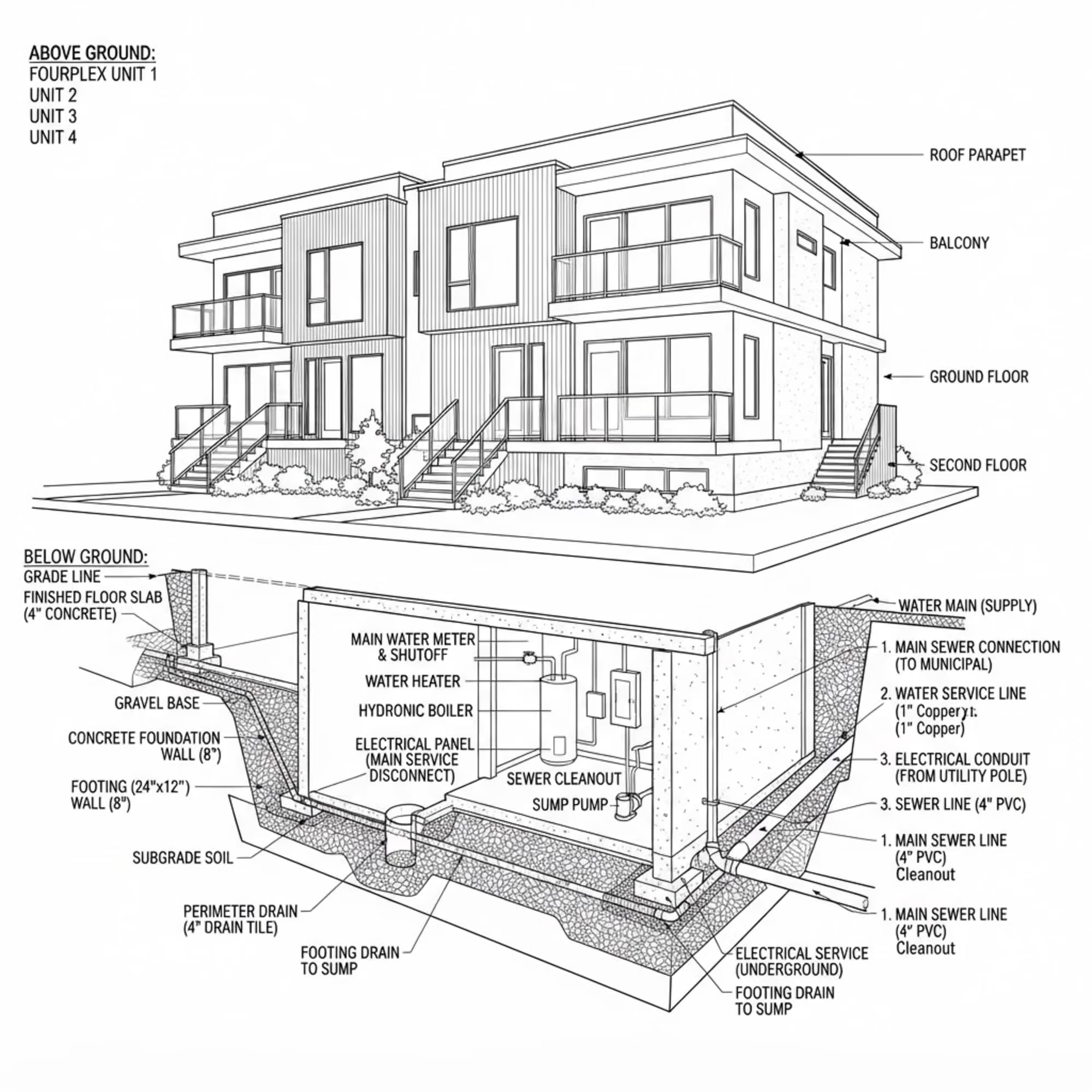
When one project triggers a new main or underground service for an entire street, the city should front the cost and recover it from the properties that benefit over time. SPU's latecomer system exists, but critics say it charges first movers to apply and does little to collect. Make it work, or replace it.
2. Publish utility requirements before design starts
Owners should be able to look up a parcel and see whether it is likely to trigger a main replacement or undergrounding before paying for drawings. A one-page utility readiness report would save months.
3. Set a clock on connections
Permits now have timeline tools. Utility connections should too. A two-year wait to energize four homes is not a market problem. It is a process problem.
4. Scale requirements to project size
A four-unit building should not carry the same street obligations as a 200-unit tower. Right-size the triggers so small projects pay for their impact, not the whole neighborhood's backlog.
What owners can do right now
Policy takes time, and you may not want to wait. A few steps help today:
- Ask about utilities in your first meeting. Before you pick a unit count, have your architect review power, water, and side sewer conditions at the street.
- Request early utility input. SPU and City Light offer pre-application conversations. Use them before schematic design is locked.
- Test three, four, and six units. Sometimes three units avoid a trigger that four would hit. Sometimes six spreads the cost enough to work.
- Budget a utility contingency. Treat utilities as their own line item, not a slice of general contingency.
- Talk with your neighbors. If two or three lots on a block plan to build, a shared upgrade can change the math for everyone.
The bottom line
Zoning reform opened the door. Utility reform will decide who gets to walk through it. We want Seattle to finish the job so that middle housing is built by and for the people who already live here, not only by whoever can absorb a six-figure surprise.
Plan your project with us
Thinking about adding homes to your lot? La Union Studio offers feasibility consultations that look at zoning, utilities, and budget together, so you know what is realistic before you spend on full drawings. Book a consultation with Sergio and Sonia-Lynn and let's map out your options.
FAQ
Why do utility costs matter so much for middle housing in Seattle? Small infill projects can trigger water main replacements, underground power service, and street improvements. Local builders estimate these can add more than $250,000 per unit in some cases, far more than permit or MHA fees.
Does every fourplex in Seattle need underground power? Seattle City Light requires underground service for new developments of four or more units. Costs and timelines vary by street, so check early with City Light and your architect.
What is Seattle doing about utility costs for new housing? Mayor Wilson's August 2026 executive order asked City Light, SPU, SDOT, and the Fire Department to name permitting contacts, and a Housing Production Task Force will make recommendations starting in February 2027.
Sources
The Urbanist: With MHA Reform in Vogue, Unaddressed Utility Costs Loom (Aug 15, 2026) · Hoodline: Seattle's Missing Middle Housing Slammed by Power Pole Gridlock (Mar 2026) · The Urbanist: Wilson Launches Housing Task Force (Aug 20, 2026) · The Urbanist: Seattle Just Rezoned the Entire City
Media Hub
Recent media
